Newsletter Block
This newsletter signup form needs a storage option. Edit the block and enter a storage location via the Storage tab.
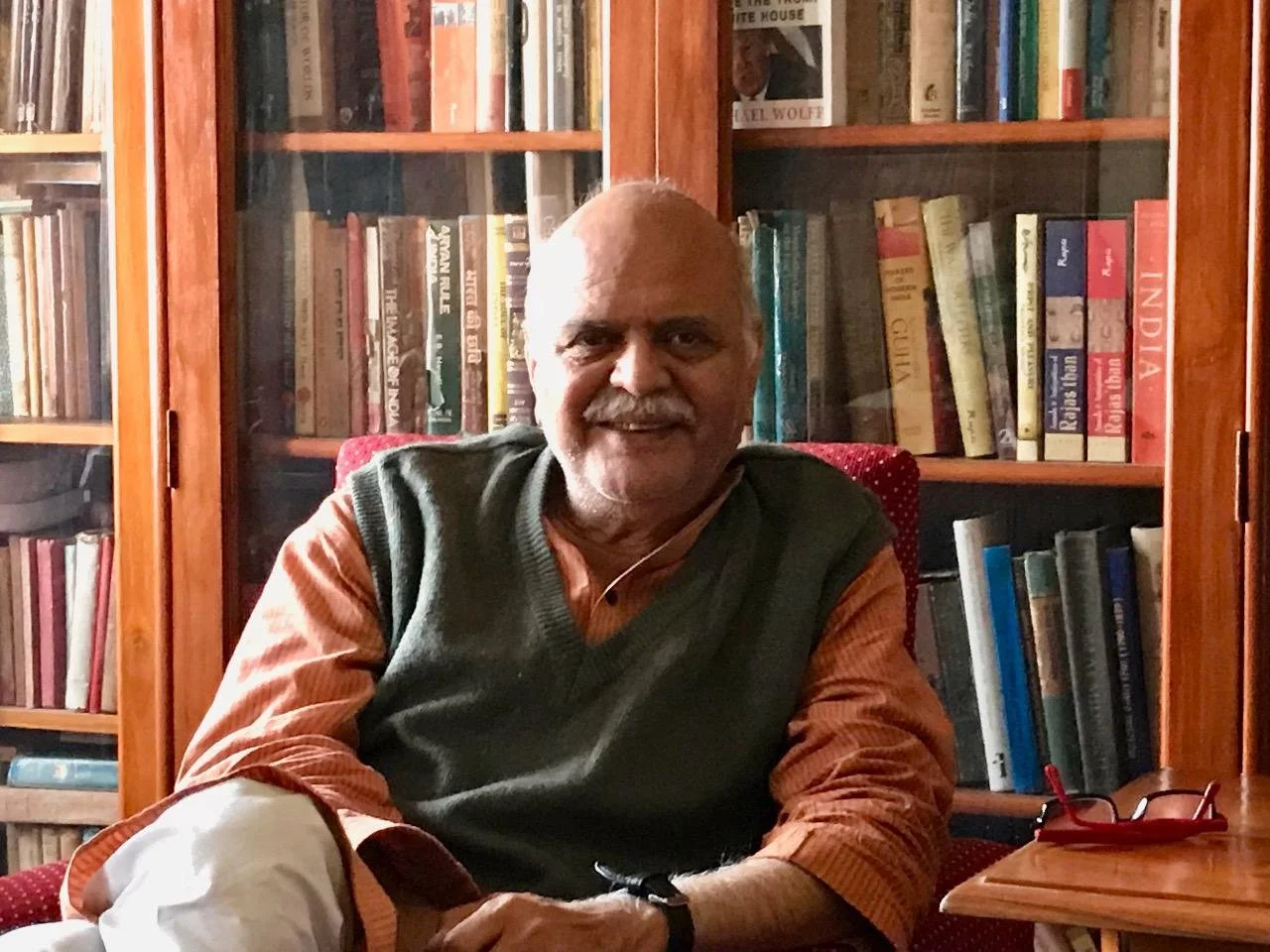
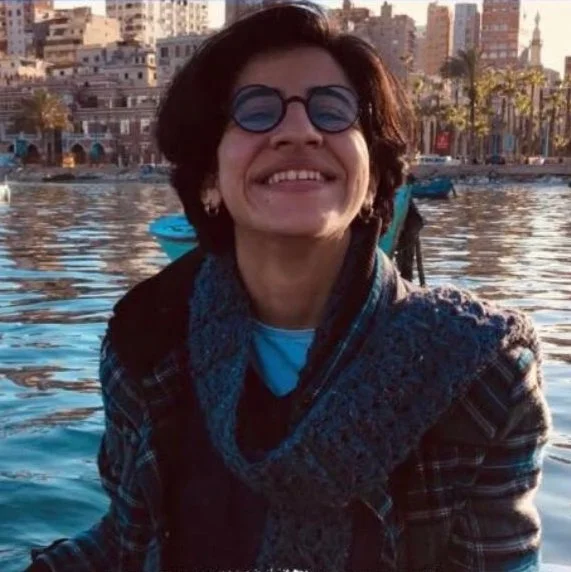
Though his name remains unfamiliar to most outside of India’s scholarly and LGBTQ+ communities, Saleem Kidwai was nevertheless one of the most influential figures involved in both the preservation and recovery of South Asia’s queer past.
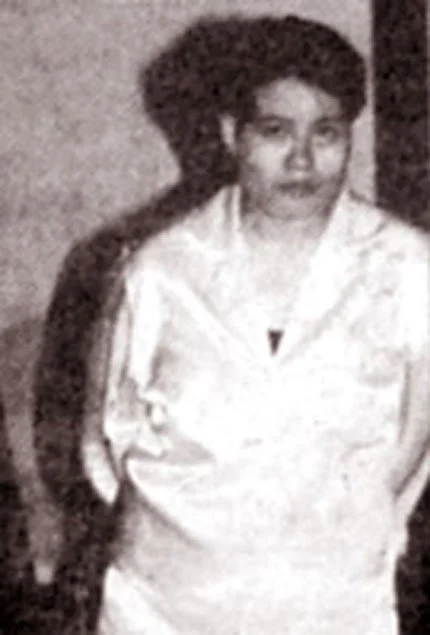
Dung Hà occupies a rare and deeply complicated place within Vietnam’s LGBTQ+ past, remembered both as a feared crime boss and as a murder victim whose death helped unravel one of the largest organized-crime scandals in modern Vietnamese history. Beyond the violence and underworld mythology that came to define her legacy, Dung was also a gender-nonconforming woman who dressed almost exclusively in masculine clothing and maintained highly visible relationships with other women. And despite the fact that homosexuality remained deeply stigmatized and largely underground throughout Vietnam at the time, Dung made little effort to conceal either her masculine presentation or her same-sex relationships. Though she never publicly identified herself using contemporary terms like lesbian, bisexual, transgender, or nonbinary, her open departure from conventional expectations of gender and sexuality made her an unusually visible queer figure in 1990s Vietnam. Ultimately, Dung’s LGBTQ+ significance within history is inseparable from the contradictions of her life: she was neither an activist nor a conventional role model, but a complicated figure whose queerness existed openly within one of the most masculine and unlikely corners of Vietnamese society.
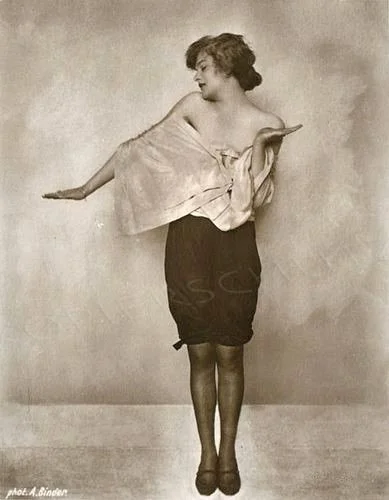
Though she is more often remembered for the scandals she caused than for her artistry, Anita Berber was nevertheless one of the most daring and innovative performers to emerge from Germany during the early twentieth century. A dancer, choreographer, silent film actress, fashion model, poet, cabaret artist and muse, she used her body and public image to challenge conventional ideas surrounding gender, sexuality, female respectability, and artistic expression. Her dances explored taboo and scandalous subjects like addiction, lust, pregnancy, madness, suicide, disease, and death, while her cropped red hair, exaggerated makeup, tailored suits, ties, and monocles helped shape the androgynous image of the Weimar Republic’s “New Woman.” Openly involved with both women and men, Berber also became a visible presence within Berlin’s gay and lesbian circles, folding her queer personal life into the provocative persona she presented onstage. At a time when women’s bodies were generally displayed for male pleasure, she instead made her own an erotic but often disturbing medium through which audiences were forced to confront subjects they might otherwise avoid. Yet, despite the abundance of media and publications devoted to Berber, a historically reliable account of her life remains difficult to reconstruct. Newspapers at the time eagerly sensationalized her arrests, addictions, sexual affairs, and theatrical disputes, while Berber herself understood that notoriety sold tickets and deliberately blurred the boundary between her stage persona and private life. Meanwhile, after her death, fictionalized biographies and popular histories further embellished her exploits, turning her into an almost mythical symbol of Weimar decadence. More recent scholars, however, have attempted to look beyond that mythology to reexamine and reclaim Berber as a serious cultural producer and an early and important performance artist who consciously transformed her body, sexuality, and celebrity status into interconnected forms of creative expression.
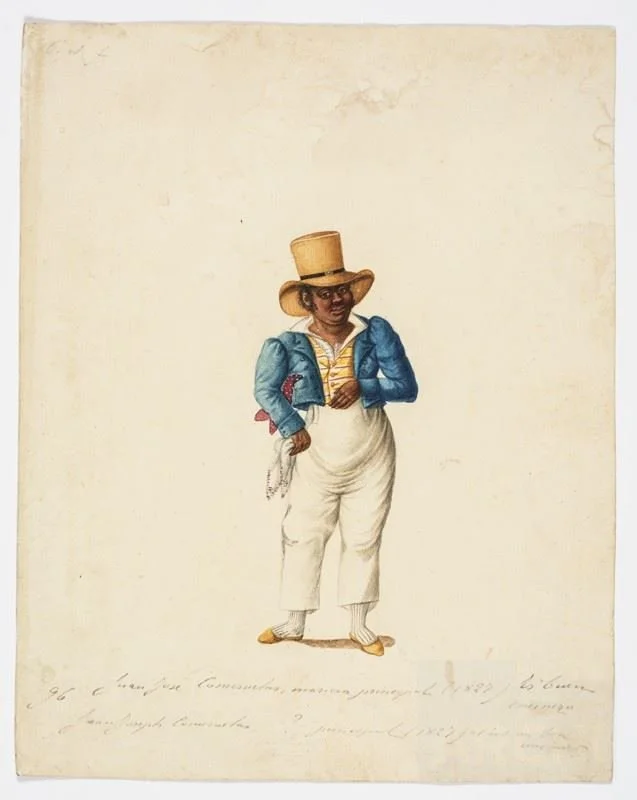
Widely considered the first openly homosexual figure in Peruvian history, Juan José Cabezudo had, by the early nineteenth century, also become one of the most recognizable public figures in Lima despite their modest social and economic position. An Afro-Peruvian cook, street vendor, and culinary entrepreneur, Cabezudo built a reputation largely through the preparation and sale of tamales, sweets, and other prepared foods that circulated through the city’s busy streets, plazas, and elite social gatherings. But while they were known for their culinary endeavors, Cabezudo’s visibility within Lima also extended beyond the food they prepared and served. The combination of their perceived effeminate dress, gestures, speech, and demeanor resulted in them becoming publicly identified as “el maricón,” a pejorative term used in nineteenth-century Peru toward men understood to be feminine or sexually nonconforming. Despite the hostility embedded in this label, Cabezudo was able to live freely and openly, occupying a highly visible and socially legible role within the city’s urban culture and becoming one of the clearest documented examples of gender nonconformity in early republican Latin America.
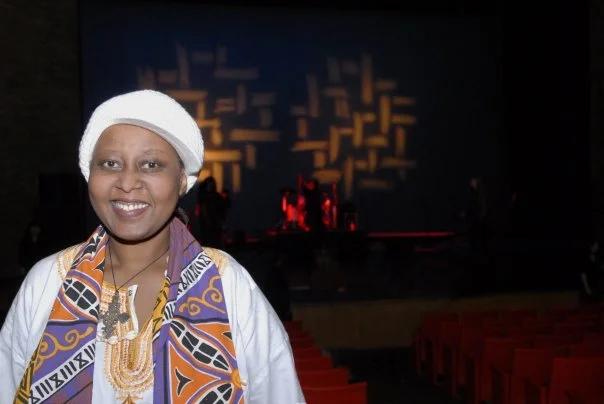
A Kenyan feminist, LGBTQ+ rights activist, filmmaker, and producer, Kagendo Murungi consistently returned to a central question throughout both her work and life: who produces images of African people, who controls their circulation, and who is allowed to appear within them? For Murungi, these were not just abstract concerns but urgent political stakes, inseparable from broader struggles over power, representation, and survival. Though she would ultimately spend much of her life in the United States, Murungi nevertheless operated deliberately across intercontinental cultural, political, and grassroots contexts, building a practice that treated media not only as a site of expression but as a tool for intervention. For over two decades, she tirelessly worked to connect African diasporic storytelling with transnational organizing, insisting that cultural production and political advocacy were not just parallel efforts, but mutually reinforcing ones.
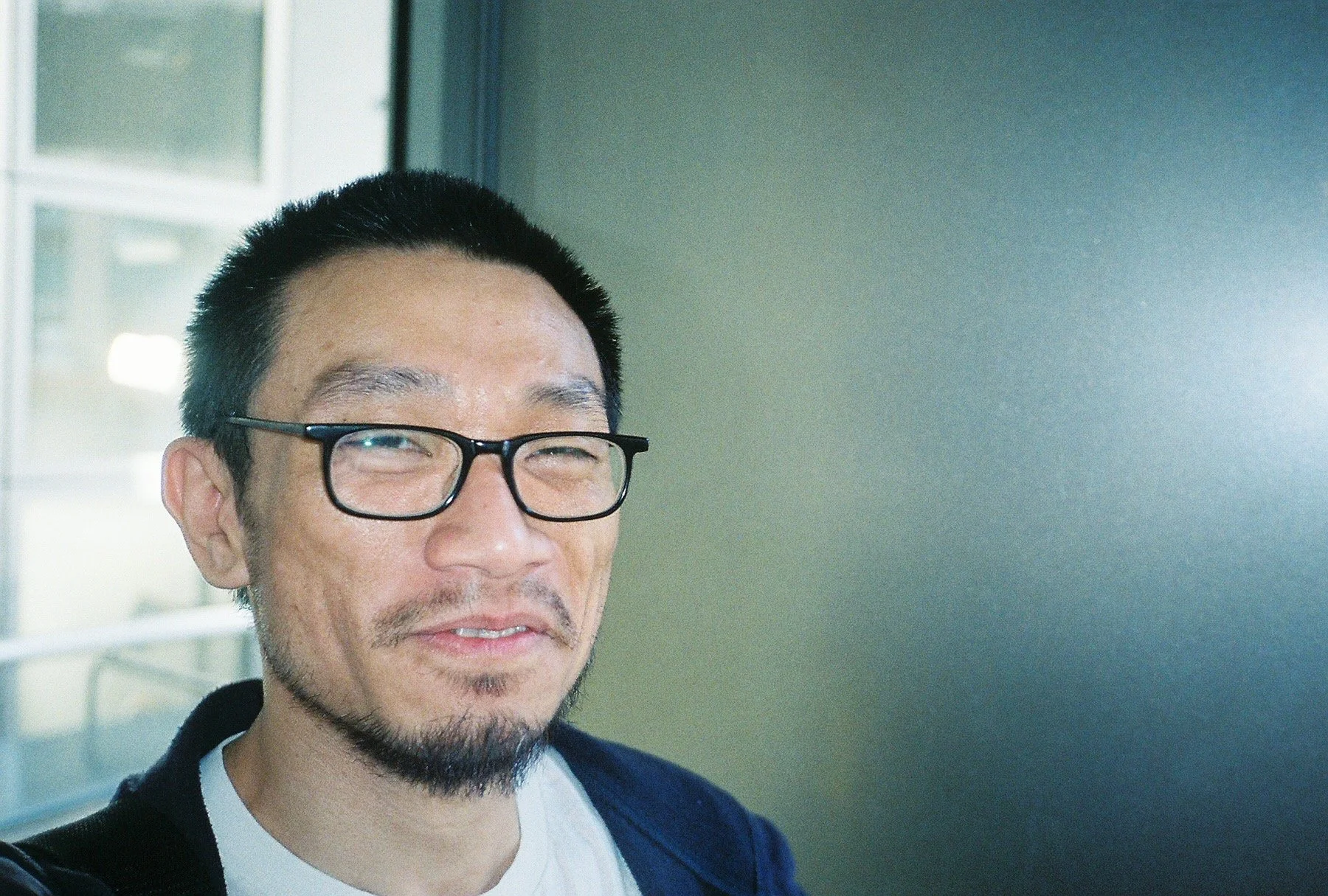
Chin’s work also resists treating identity as stable or coherent; instead, it presents it as unevenly acquired and structurally constrained, frequently at odds with lived experience. Across his poetry, essays, and hybrid prose — both published and performed — he refused both simplification and the pressures of respectability that often shape how minority subjects are expected to appear.
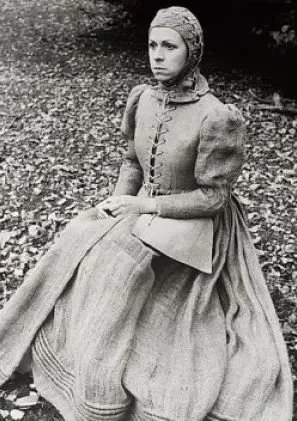
Herculine Barbin’s life is often introduced as a “case” — a nineteenth-century medico-legal puzzle that forced doctors and judges to decide what, exactly, made a person male or female.
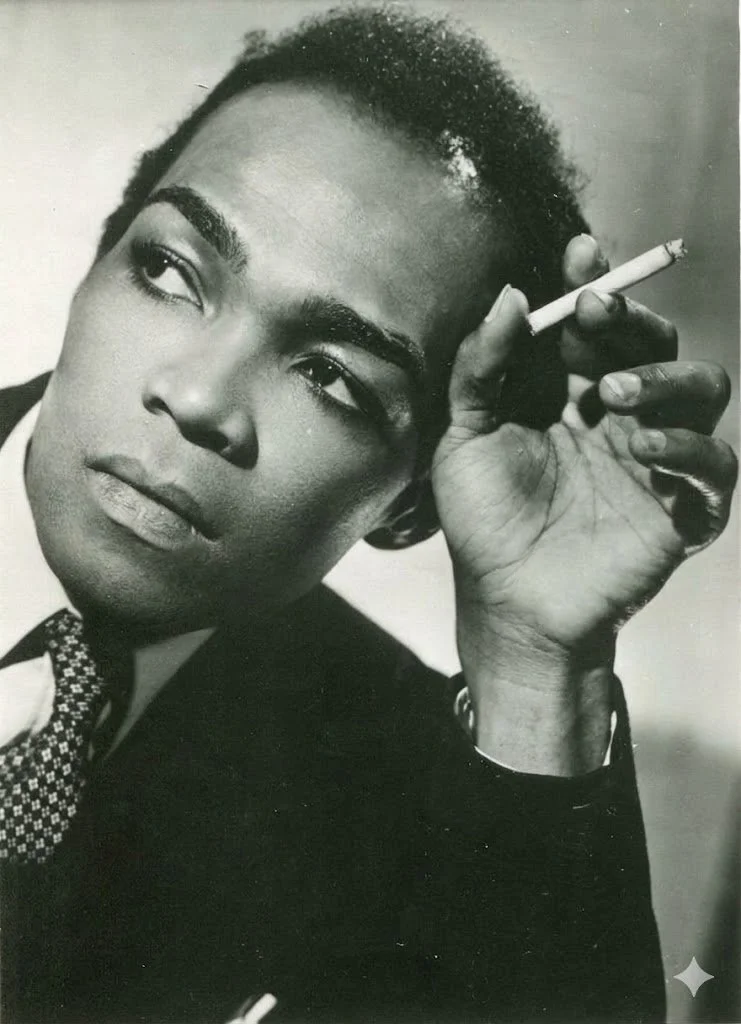
Arriving in Britain on the eve of the Second World War, Berto Pasuka stands as one of the most innovative and overlooked figures in twentieth-century performance. A queer artist from Jamaica, he entered a cultural landscape that left little room for Black dancers or Black creative leadership, yet he refused to be restricted by the narrow expectations and offerings of his time. Instead, he insisted that Black movement, Black stories, and Black aesthetics belonged on major stages, and pushed to create a dance language rooted in the rhythms, histories, and expressive traditions of the African diaspora. His vision not only challenged the limits of European ballet but also reshaped what dance in postwar Britain could be, ultimately laying the groundwork for a new chapter in Black performance.
What does it mean to insist on visibility in a place where visibility is criminalized?